The Letter That Arrived Fifty Years Late
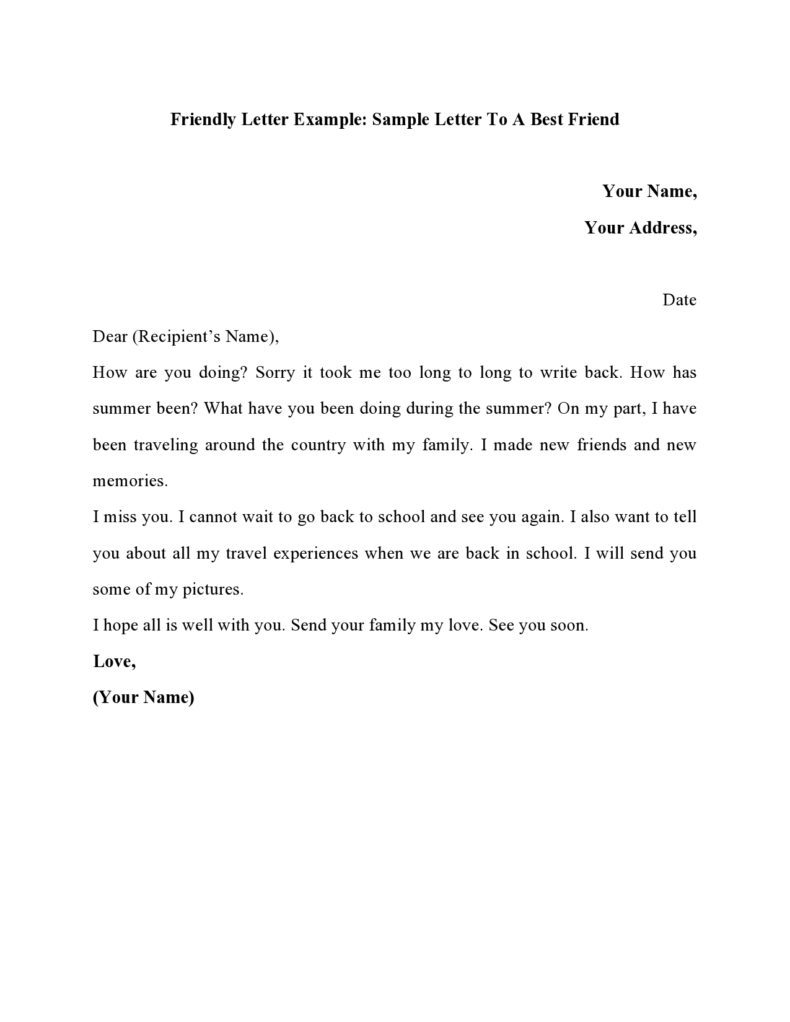
In 1969, a young man named William Morris dropped a letter into a red mail post box in London. That paper sat in the dark for half a century until it landed on a quiet door mat in 2019. It reached a house where the original writer no longer lived, carrying words from a forgotten room.
Most lost mail vanishes forever into paper shredders or damp cellars. But sometimes a forgotten postcard or note slips behind a sorting belt, stays hidden while decades pass, and suddenly pops back into the real world. This is the story of how a lost note traveled fifty years through time to change how one family remembered their past.
The Day the Letter Was Dropped in the Box
https://auctionr.org/4/1ac2794417bb2f8972ec59eb4aefedc3It was a cold Tuesday morning in November when William stepped out of his flat in Paddington. He was twenty-two years old, wearing a thick wool coat, and holding a thin blue envelope. Inside was a quick note to his sister, Margaret, who lived just three miles away in Camden.
He was writing to tell her about a new job he had just landed at a local print shop. He wanted her to meet him for tea at three o'clock on Friday. William slipped a cheap stamp onto the corner, dropped the paper into the heavy iron box on the corner, and walked to the train station.
He expected the postman to deliver it by the next morning. In those days, local mail was fast. You could send a note at breakfast and get a reply by supper. But William never got his reply, and Margaret spent that Friday waiting at home alone.
When William saw his sister the next week, they had a small argument. She thought he had forgotten about her. He swore he had sent a note days before. Eventually, they let the matter drop, assuming the paper had been thrown away by mistake. Life moved on, as it always does.

Where the Mail Hid for Five Decades
Where does a piece of paper stay hidden for fifty years? The answer turned out to be remarkably simple. It was trapped inside a heavy wooden sorting desk at a regional mail sorting building in East London.
The desk had a narrow gap between the back panel and the lower drawers. During a busy shift back in late 1969, a worker tossed the blue envelope onto the sorting stack. It bounced, slid off the edge, and fell straight down into that dark gap. It lay completely flat on a narrow pine ledge, hidden from every eye.
For fifty years, hundreds of workers walked past that desk. They sorted love letters, bill payments, and holiday cards while the blue envelope sat untouched. Dust gathered on the paper. The ink faded slightly, but the thick paper stayed dry and preserved in the dark corner.
In early 2019, the post office decided to renovate the old building. Builders came in with crowbars to smash the old wooden furniture. When a worker pulled the back off the sorting desk, the faded blue paper fell out onto the concrete floor.
The worker picked it up and saw the stamp with the young Queen's face on it. He read the address written in neat black ink. Instead of throwing it into the trash, he handed it to his manager. The modern postal service decided they had a job to finish.
Finding the Right Door in a New Century
Delivering a fifty-year-old message is not easy. The street names in London had stayed the same, but the people had moved long ago. The original house in Camden was no longer a single-family home. It had been split into three separate apartments in the 1990s.
A postman named David took it upon himself to bring the letter to the address listed on the front. He walked up the stone steps and rang the buzzer for the ground floor flat. A young woman named Sarah opened the door. She had lived there for only two years and had never heard of Margaret Morris.
David did not give up. He brought the letter to a local neighborhood group to see if anyone remembered the family. Through old city records and shared memories, people helped trace the family line. This effort was a clear example of Oral history in action, as older neighbors recalled who had lived on the block during the sixties.
It turned out that Margaret had passed away in 2012. But her daughter, Jane, was still alive and living in a town thirty miles outside London. David put the old letter inside a new, larger envelope and sent it by registered mail to Jane's house.
What the Message Said When It Was Opened
When Jane opened her mail on a rainy Thursday afternoon, she did not expect to hold a piece of her mother's youth. She saw the blue envelope, the old stamp, and her uncle William's clear handwriting on the front.
Jane sat down at her kitchen table with a cup of tea. Her hands shook a little as she slid her finger under the flap. Inside, the short message read: "Dear Marg, got the print job today! Let us celebrate. Meet me at the tea shop on Friday at three. I will buy the cakes. Love, Will."
The words were simple, but they hit Jane with great force. She remembered her mother telling a story about a missed tea date long ago. Her mother had felt hurt, thinking her brother was too busy with his new life to care about her. That tiny misunderstanding had lingered in the background of their relationship for years.
Holding the paper changed everything. It proved that William had cared. He had bought the stamp, written the words, and walked to the box. The mail system had simply failed them back in 1969.
Jane called her uncle William, who was now eighty-two years old and living in a quiet nursing home. She read the note to him over the phone. He stayed quiet for a long moment, listening to his own twenty-two-year-old voice coming back across the decades.
"I knew I posted it," he said softly. "I told her I did."
Why Old Letters Still Hold Power Over Us
We send hundreds of digital messages every week now. They arrive in seconds, and we delete them just as fast. But a physical note carries something different. It holds the touch of a person's hand, the specific ink they chose, and the time they took to sit down and write.
This long delay turned a routine invitation into a powerful piece of family history. Like The Stolen Painting That Came Home After Decades, this missing item brought closure to a story people thought was already finished. It restored a small piece of truth that had been lost for a lifetime.
Stories like this remind us how fragile our connections can be. A single inch of space behind a wooden drawer changed how two siblings understood each other for fifty years. Yet, when the paper finally arrived, the love behind it was still completely fresh.
If you want to read more unbelievable accounts of real events, you can visit our home page for true human stories from around the world. These real moments show us that truth really is stranger than fiction.
How to Keep Your Own History Alive
This story makes you wonder about the small items sitting in your own home right now. You do not need to wait fifty years for a postman to bring you a surprise from the past. You can start saving those physical connections today.
Here are a few quick steps you can take to make sure your own family history survives:
- Write one short note by hand every month to someone you care about.
- Keep old family cards inside an acid-free box so the ink does not fade over time.
- Write full names, dates, and locations on the back of every printed photograph.
- Tell your kids the stories behind the old objects sitting on your shelves.
Do you have an old letter or postcard tucked away in a drawer at home? Take it out tonight, read the handwriting, and think about the person who sat down to write it so long ago.


Comments
Post a Comment